PORTFOLIO / SINCE 1988
International Expertise.
Delivered in Egypt.
Selected projects, mandates and client relationships across decades. Different sectors, but a consistent role: helping international organisations understand the market, build the right relationships and move complex work forward in Egypt.
Explore the portfolio16Core projects
5Metcalf & Eddy
10 / 16Sectors represented
PROJECTS / SECTORS / PARTNERS
The Portfolio, at a Glance.
Use the arrows or swipe to move through ITD’s project history.
DIFFERENT INDUSTRIES. THE SAME ROLE.
Experience Built Around
Local Execution.
Across culture, healthcare, water, energy, oil and gas, telecommunications, banking and transport, ITD’s work has connected international capability with Egyptian institutions, projects and commercial priorities.
01
TOURISM, CULTURAL & MAJOR INFRASTRUCTURE
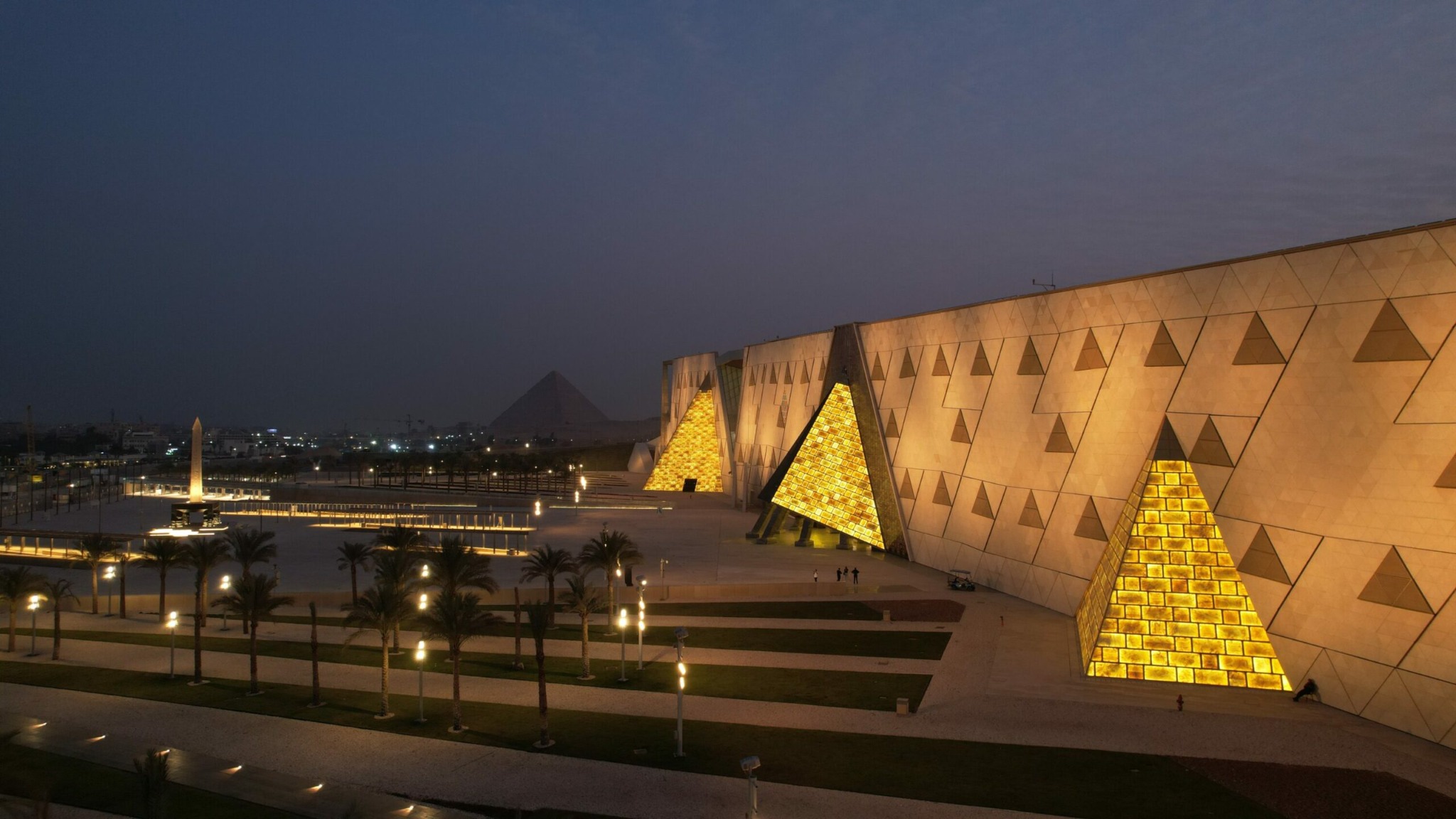
Grand Egyptian Museum
Hill International · Japan International Cooperation Agency (JICA)
Developed for the Supreme Council of Antiquities and Ministry of Antiquities, the Grand Egyptian Museum occupies approximately 116–117 acres on the edge of the Giza Plateau, around 2 km from the Pyramids of Giza. The museum, conservation and research complex was designed to accommodate more than 100,000 artefacts spanning approximately 3,500 years of Egyptian history.
Read the full project history
The programme incorporates exhibition galleries, conservation facilities, educational and research areas, a conference centre, restaurants, parking and extensive external works. Construction was organised into three principal phases: Phase I covered site clearance, preparation and enabling works; Phase II delivered the Energy Centre, Fire Station and Grand Egyptian Museum Conservation Centre; and Phase III covered the main museum complex, conference centre, exhibition areas, structural and architectural works, building services, landscaping and associated infrastructure.
The Conservation Centre, completed ahead of the main museum and inaugurated in 2010, covers approximately 32,000 m² and is connected to the museum by a 200-metre underground tunnel. It contains 19 specialised conservation laboratories and six storage facilities supporting the preservation of stone, wood, textiles, papyri, pottery, glass, mummies and other archaeological materials.
In 2010, the Hill International–EHAF Consulting Engineers joint venture was appointed to provide programme, project and construction-management services. Its scope included the museum, conference centre, exhibition works, Menkaure’s Wall and retaining structures, restaurants, car and bus parking, auxiliary buildings and extensive external works. The consultancy contract was equivalent to approximately US$54 million at the exchange rates prevailing around the time of award.
The completed complex incorporates approximately 168,000 m² of built-up area, including around 93,000 m² for the main museum building, 40,000 m² for the conference centre, 6,000 m² for restaurants and 15,000 m² for parking. Heneghan Peng Architects oriented the building’s principal axes toward the Great Pyramid of Khufu and the Pyramid of Menkaure.
Japan, through JICA, became the principal international financing partner. The first Japanese ODA package, signed in May 2006, was worth approximately US$300 million. A second package agreed in October 2016 was equivalent to approximately US$470 million. Together, the two loans represented approximately US$800 million in financing for construction, exhibition works, ICT infrastructure, equipment and consulting services.
The principal Phase III construction contract was awarded to the Orascom Construction–BESIX 50/50 joint venture at approximately US$810 million. The turnkey package covered the main museum buildings and associated facilities, including structural works, architectural finishes, mechanical and electrical systems, communications infrastructure, exhibition environments and landscaping.
Phase III involved approximately 250,000 m³ of concrete, 10,000 tonnes of structural and reinforcing steel, 210,000 m² of stone, marble and onyx, and a complex 33,000 m² folded roof structure. Internal spaces reach approximately 25–32 metres in height. Delivery required more than 120 million construction man-hours and coordination of over 150 subcontractors.
JICA’s technical-cooperation programme for the GEM Conservation Centre ran from 2008 to 2016, supporting conservation planning, artefact databases, management systems, specialist equipment and training for Egyptian conservators. Cooperation continued through the GEM Joint Conservation Project from 2016 to 2022, bringing together more than 40 Japanese and 60 Egyptian specialists to examine, transport and conserve 72 major artefacts, including objects from the Tutankhamun collection. Across the wider programme, more than 100 conservation and restoration training programmes were delivered to approximately 2,250 participants.
02
HEALTHCARE & INSTITUTIONAL INFRASTRUCTURE
Kasr Al Ainy Hospitals
Sogea · Setec · Assistance Publique Hôpitaux de Paris
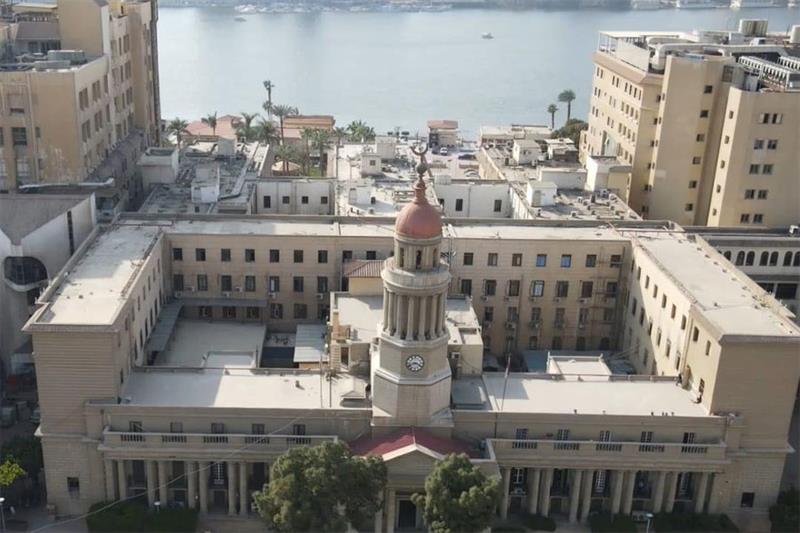
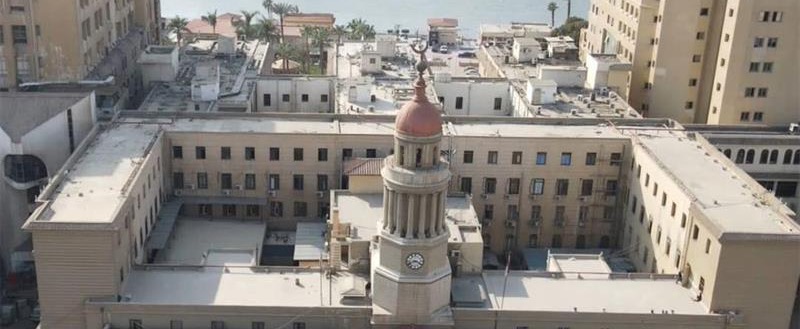
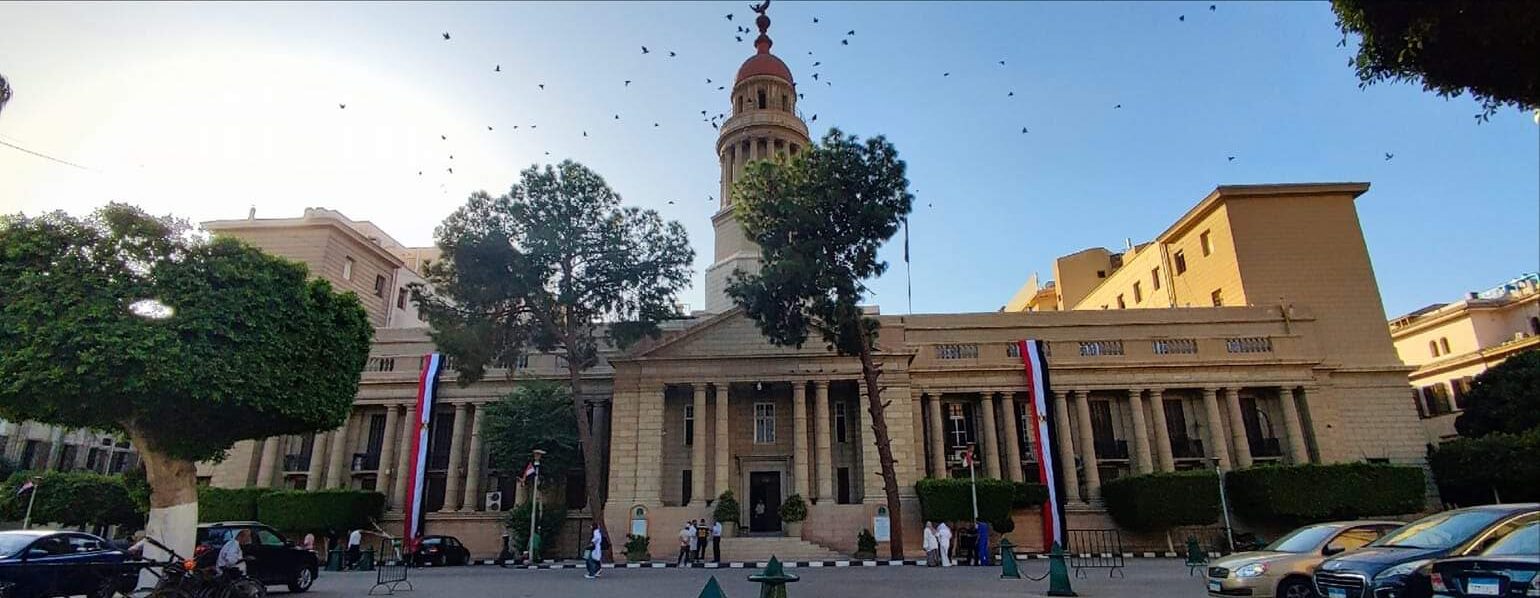
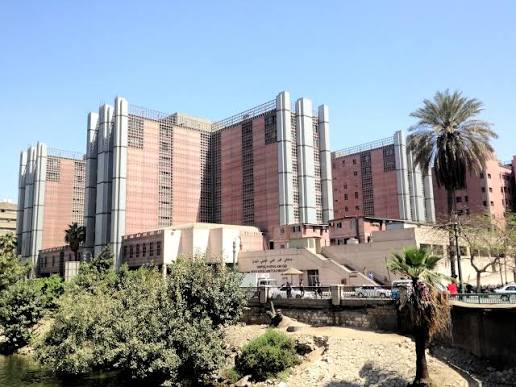
The New Kasr Al Ainy Educational Hospital is one of Cairo University’s principal teaching hospitals and forms part of the historic Kasr Al Ainy medical institution. The modern hospital was developed to provide a large-scale teaching, diagnostic and treatment facility supporting patient care and medical education.
Read the full project history
The hospital consists of 12 floors and approximately 1,200 beds, with the eighth and ninth floors allocated to paid-treatment services. Its clinical facilities include eight general internal-medicine departments, six surgical departments, five specialised surgical departments, intensive-care facilities, a blood bank, endoscopy services, central laboratories and diagnostic-radiology departments.
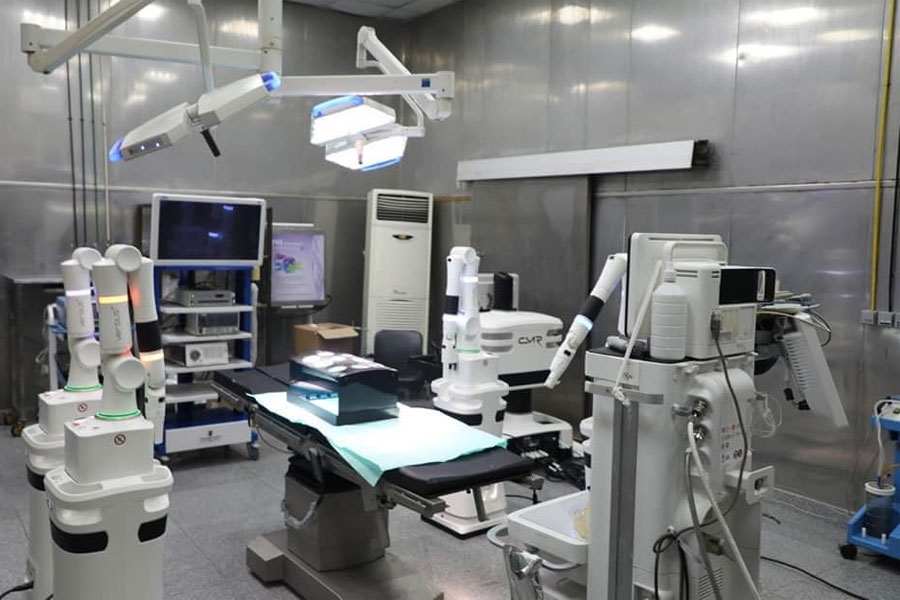
A major surgical complex incorporates 18 operating rooms, together with sterilisation, anaesthesia and recovery facilities and specialised surgical and diagnostic equipment. The hospital also contains 27 elevators designed to handle the movement of patients, visitors, staff, food, equipment and medical supplies throughout the building.
The construction contract for the new hospital was awarded in 1984 to a French consortium involving Sogea, Setec and Assistance Publique Hôpitaux de Paris. The new buildings were completed during the 1990s, creating a modern teaching-hospital complex that remains an important part of Cairo University’s medical and academic infrastructure.
03
WATER & WASTEWATER INFRASTRUCTURE
Rod El Farag Water Treatment Plant Expansion
Metcalf & Eddy · CH2M HILL · E.S. Parsons
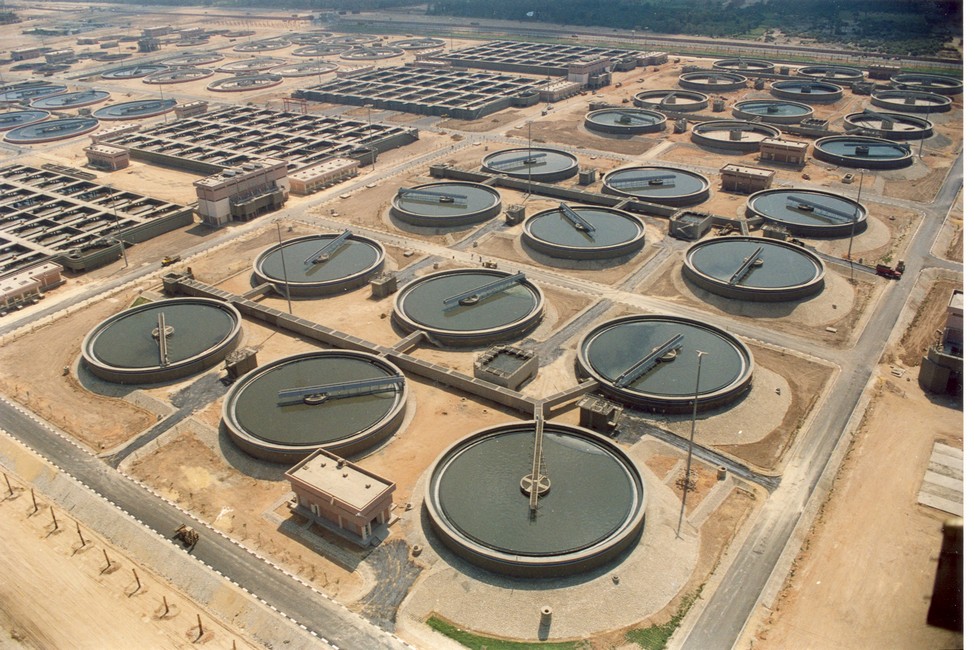
The Rod El Farag Water Treatment Plant Expansion formed part of the major programme to increase and modernise Greater Cairo’s potable-water supply. The project expanded treatment capacity from approximately 200,000 m³/day to 600,000 m³/day, substantially increasing the volume of treated Nile water available to Cairo.
Read the full project history
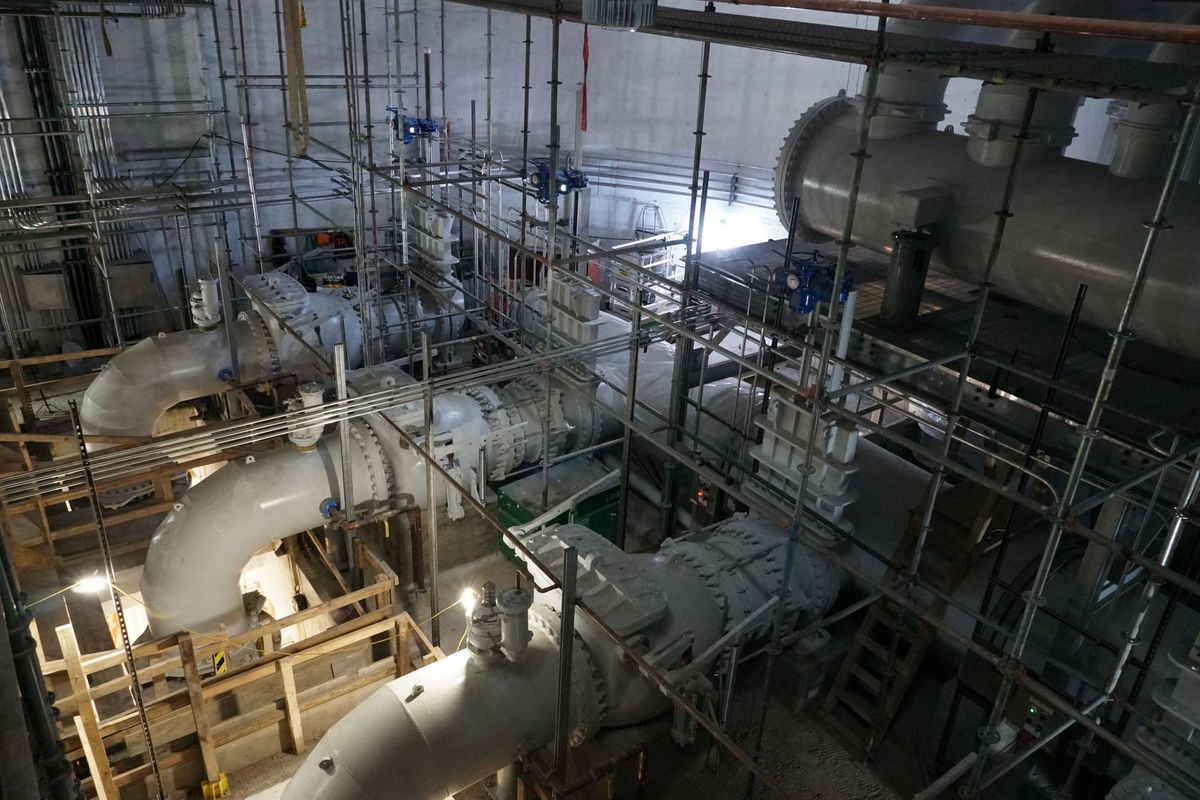
The works included a new Nile water intake with two 175-metre intake pipelines, each 2,400 mm in diameter, and a 780,000 m³/day raw-water pumping station equipped with six vertical turbine pumps and three travelling screens. The expanded complex incorporated clarification and filtration facilities, two underground storage reservoirs, a filtered-water pumping station and approximately 5 km of trunk transmission mains connecting the new capacity to Cairo’s distribution network.
The engineering programme covered soil investigations, laboratory and pilot-plant testing, preliminary and detailed design, equipment specifications, tender documentation, construction management, resident inspection, commissioning, performance testing and operational training. The international consulting group associated with these major Egyptian water programmes included Metcalf & Eddy, CH2M HILL and E.S. Parsons.
The development was followed by Cairo Water II, a major USAID-supported second-phase programme running from 1988 to 1998 with US$145 million in life-of-project funding. Unlike the earlier emphasis on physical construction, Cairo Water II placed substantial emphasis on strengthening the management, operation and long-term performance of Greater Cairo’s water-supply system.
Cairo Water II worked directly with the General Organization for Greater Cairo Water Supply, then an organisation of approximately 12,000 employees responsible for the planning, design and execution of Greater Cairo’s water-supply systems, as well as the operation and maintenance of its water-purification plants, reservoirs and distribution networks.
The second phase introduced a long-term institutional-support programme focused on management systems, staff training, operational procedures, organisational development and equipment procurement. In 1989, senior and middle management participated in a structured review of previous technical recommendations and identified the organisational and operational changes required over the following 10 years.
The programme was designed to strengthen project planning, management capability, system performance and the ability of GOGCWS to operate and maintain Greater Cairo’s expanding water infrastructure on a sustainable basis.
04
POWER & ENERGY
Cairo West Power Station
Marubeni
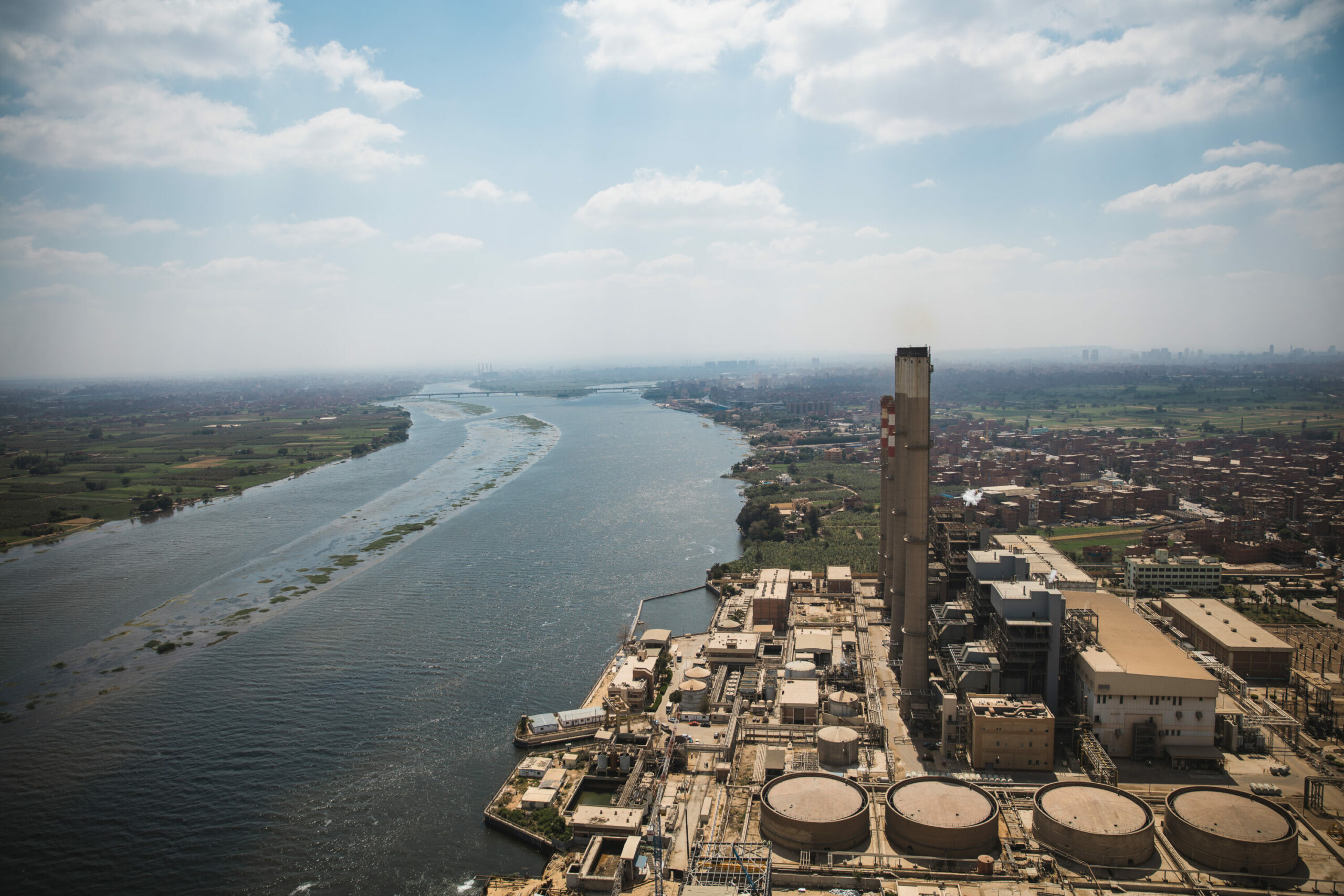
The Cairo West Power Station Expansion was undertaken to increase electricity supply to Greater Cairo and strengthen Egypt’s national grid. Developed for the Egyptian Electricity Authority, the expansion was carried out by Marubeni Corporation alongside international engineering and construction partners.
Read the full project history
The project was originally designed around two 350 MW steam-generating units, approximately 700 MW of additional capacity, while Egyptian Electricity Holding Company operating records subsequently identify the completed Cairo West Extension as 2 × 330 MW, or 660 MW of installed capacity. The units were designed to operate on natural gas and heavy fuel oil, providing dual-fuel capability.
The development included steam-generation and turbine systems, boilers, mechanical and electrical works, instrumentation and control systems, water-treatment facilities, critical piping and integration with a 500 kV switchyard connecting the station to Egypt’s unified electricity network.
African Development Bank records place the overall project cost at approximately US$344.3 million, with financing provided by the AfDB, co-financiers and the Egyptian government.
Commissioned in the 1990s, the expansion substantially increased the generating capacity of the existing Cairo West complex and contributed to meeting Cairo’s growing residential, commercial and industrial electricity requirements.
05
OIL & GAS
Oil Well & Gas Drill Sites
Vegas Oil & Gas · Motor Oil · Avin
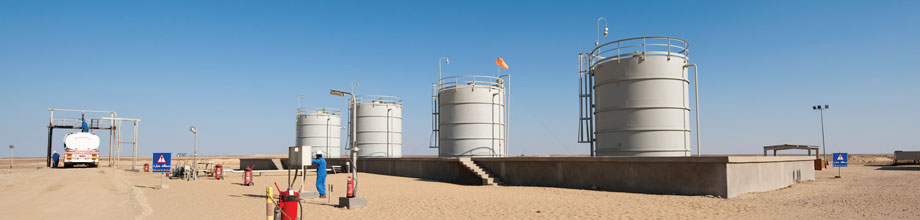
Vegas Oil & Gas developed a substantial exploration and production business in Egypt, beginning in 1990 through the affiliated Kriti Oil & Gas and later expanding through additional Egyptian exploration concessions.
Read the full project history
Its growth strategy centred on acquiring exploration acreage, applying detailed geological and technical analysis, drilling extensively and moving successful discoveries rapidly toward appraisal and development. Over the course of its Egyptian operations, Vegas drilled approximately 75 wells as operator, including 24 exploration wells, with the remainder comprising appraisal and development drilling.
Those activities resulted in 14 discoveries and 10 development leases, producing a historical 2P reserves base of approximately 445 million barrels of oil equivalent. At the end of 2013, the company reported production of approximately 15,340 barrels per day of liquids and 71.3 million standard cubic feet per day of gas.
The company’s Egyptian operations illustrate the long-term nature of upstream development, where concessions progress through seismic and geological assessment, drilling, appraisal, development and ultimately production.
06
TELECOMMUNICATIONS & INFRASTRUCTURE · LATE 1970s–EARLY 1990s
Egypt Telecommunications Infrastructure Expansion
S.I.E.T.T.E. S.p.A. / Alcatel Italia
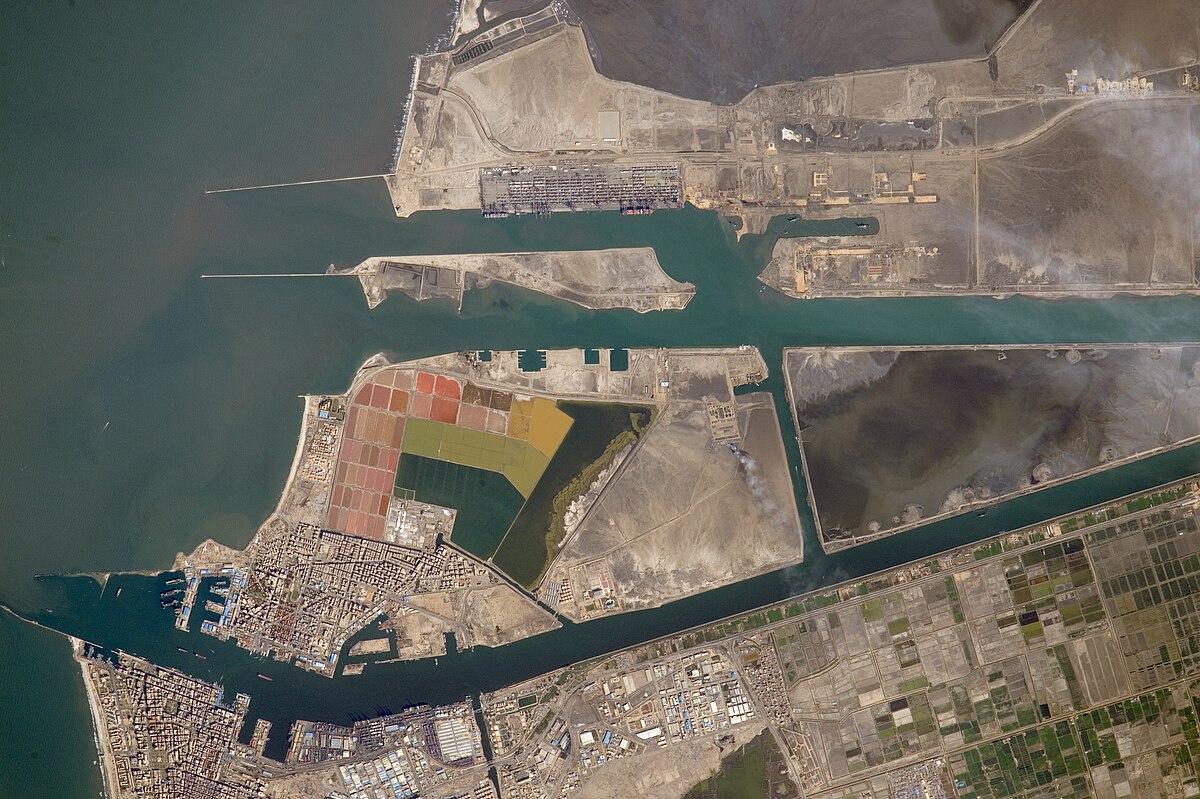
Egypt undertook a major expansion and modernisation of its national telecommunications infrastructure from 1977 through the early 1990s, covering telephone exchanges, long-distance transmission, coaxial and fibre-optic networks, signalling, switching and supporting communications infrastructure.
Read the full project history
Under the national telecommunications authority ARENTO, new electronic switching systems were introduced across Cairo, Alexandria and other governorates. CIT-Alcatel supplied electronic telephone-exchange technology during this period, forming part of Egypt’s transition from older electromechanical systems toward modern digital telecommunications.
Major transmission projects also included the Cairo–Suez, Suez–Ismailia–Port Said and Alexandria–Sallom coaxial systems, contracted in 1977 and implemented through the end of the decade. These routes used multi-tube coaxial transmission systems to strengthen long-distance communications between Cairo, the Suez Canal region, Alexandria and Egypt’s north-western corridor. The works were undertaken by Standard Telephones & Cables (STC), then part of the wider ITT telecommunications group.
By the late 1980s, Egypt’s telecommunications network was expanding rapidly. National telephone capacity increased from approximately 540,000 lines in 1982 to around 1.55 million by 1988, while the number of automatic and semi-automatic exchanges rose from approximately 154 to 375. Long-distance transmission capacity increased from approximately 8,880 to 24,360 channels, alongside continued development of microwave, coaxial and emerging fibre-optic infrastructure.
During this same period, S.I.E.T.T.E. S.p.A. operated within the international telecommunications and infrastructure sector, specialising in turnkey telecommunications networks, fibre and coaxial transmission systems, signalling, automation, railway and metro communications, electrical infrastructure and power-transmission systems. Following its integration into Alcatel, these activities continued within Alcatel Siette and later Alcatel Italia. By 1993, the business was formally operating as Alcatel Italia – Divisione Alcatel Siette, covering telecommunications networks, signalling and supervision systems, railway and metro infrastructure and electric-energy transmission.
The period therefore represents the broader development of Egypt’s modern telecommunications network through successive generations of international telecommunications technology and infrastructure, culminating in the integrated S.I.E.T.T.E. / Alcatel Italia organisation of the early 1990s.
07
WATER & WASTEWATER
Gabal El-Asfar Wastewater Treatment Project
Thames Water International · Ansaldo Industria
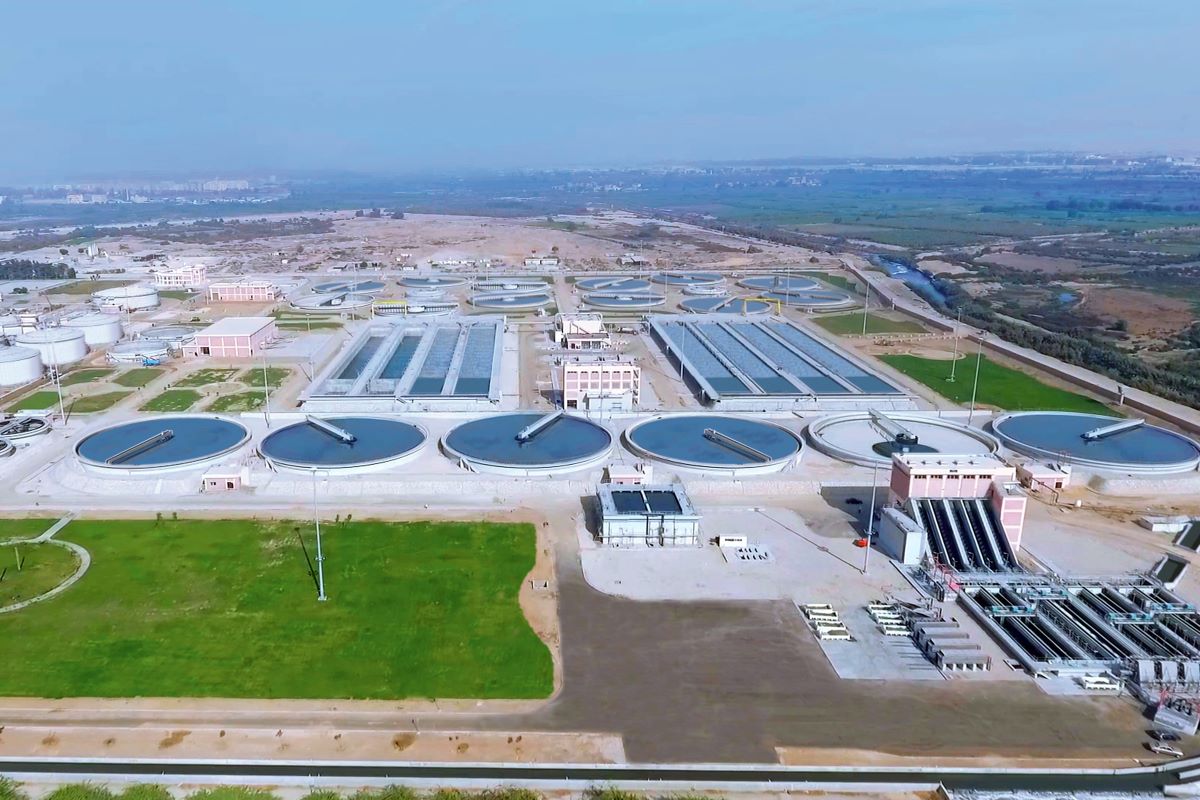
Gabal El-Asfar is one of Greater Cairo’s largest and most important wastewater-treatment complexes, serving a substantial part of eastern Greater Cairo through infrastructure developed over successive expansion phases.
Read the full project history
The facility today has a treatment capacity of approximately 2.5 million cubic metres per day, with further expansion planned to increase total capacity to around 3.5 million cubic metres per day.
The complex incorporates preliminary, primary and secondary wastewater treatment, sludge treatment and energy recovery systems. Methane produced through anaerobic sludge digestion is captured and used to generate electricity, helping supply a significant proportion of the plant’s own energy requirements.
Thames Water International, working alongside Ansaldo Industria, participated in a five-year cooperation involving the commissioning, start-up, operation and maintenance of the wastewater-treatment project, bringing international operational and technical expertise to the facility.
The continued expansion of Gabal El-Asfar reflects the scale of Greater Cairo’s wastewater requirements and the long-term importance of water treatment, environmental protection, resource recovery and sustainable urban infrastructure.
08
BANKING & FINANCE
BHF-BANK Representative Office in Egypt
BHF-BANK · Now ODDO BHF
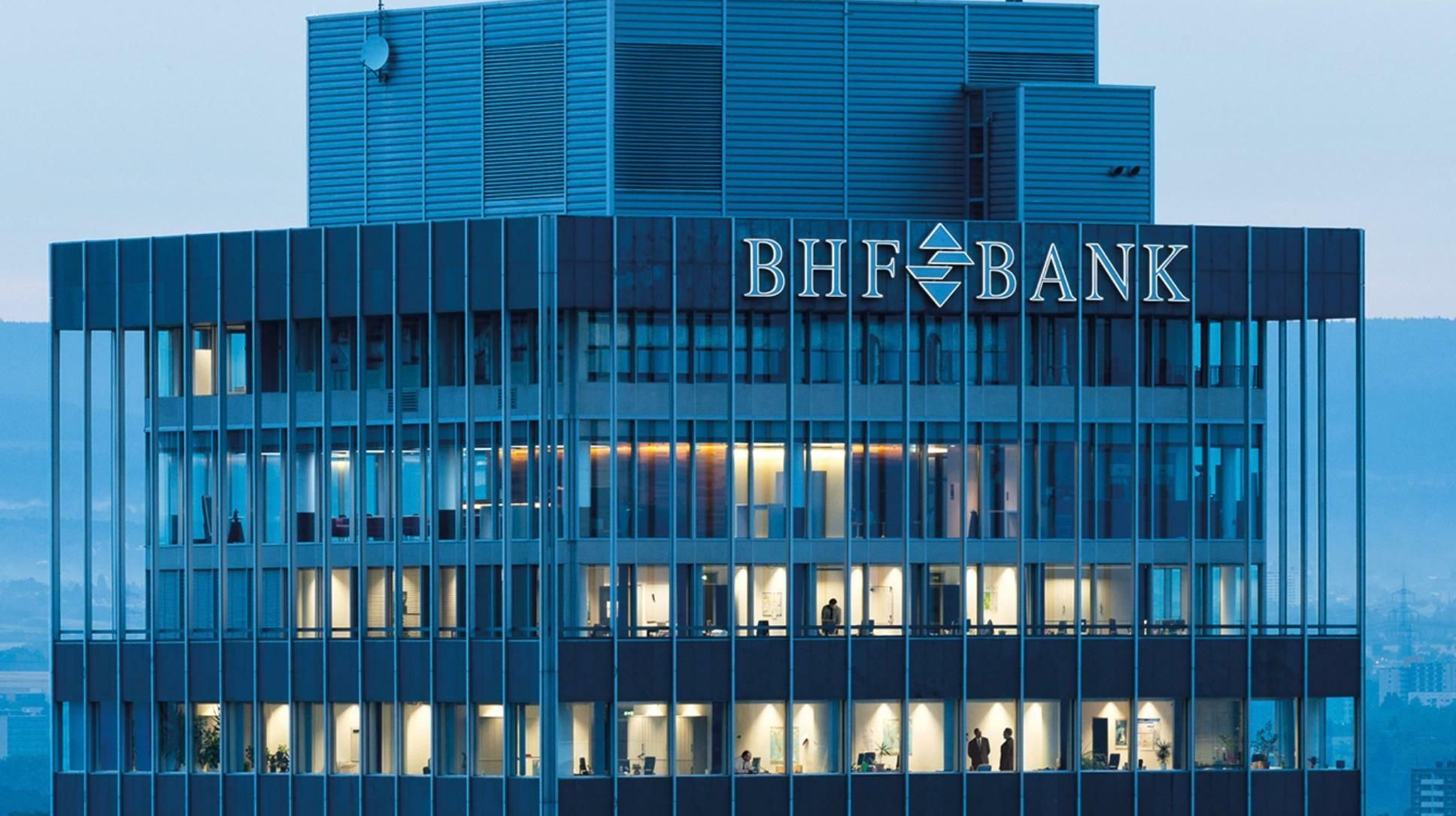
BHF-BANK maintained a representative office in Cairo as part of its international banking network, with a focus on corporate finance, trade finance and cross-border banking relationships.
Read the full project history
In Egypt, the office developed relationships with local corporations and financial institutions, identified financing and investment opportunities, supported international business flows, fostered local partnerships, facilitated deal introductions and brokering, and connected Egyptian counterparties with BHF-BANK’s wider international banking capabilities.
BHF-BANK was particularly active in export finance, letters of credit, guarantees, forfaiting, working-capital and other trade-finance solutions, supported by an extensive global correspondent-banking network.
Following its acquisition by Oddo & Cie in 2016, BHF-BANK became part of ODDO BHF, which continues to provide corporate, international, trade and export-finance services today.
09
OIL & GAS EXPLORATION
West Esh El Mallaha (WEEM) Exploration Program
Occidental Petroleum · Egyptian General Petroleum Corporation (EGPC)
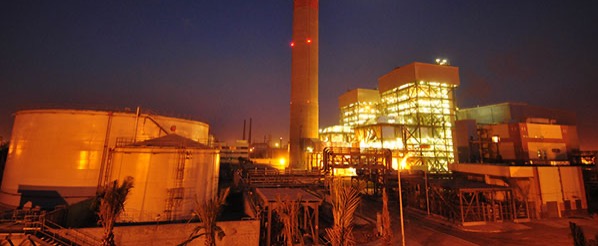
Occidental Petroleum undertook exploration of the West Esh El Mallaha (WEEM) Concession, an onshore petroleum block situated west of the Gulf of Suez near Hurghada and covering approximately 1,583 km².
Read the full project history
In August 1994, Occidental drilled WEEM-1, the first exploration well on the concession. The well reached the basement at approximately 4,060 feet and was used to evaluate the geological structure and hydrocarbon potential of the northern part of the block.
Occidental also acquired approximately 166 km² of 3D seismic data across the concession during 1994, providing a substantially improved subsurface image of the area. The seismic programme was subsequently reprocessed in 1996 before Occidental withdrew from the concession.
Commercial discoveries, including Rabeh and Rabeh East, were made later under subsequent operators, meaning later WEEM production should be distinguished from Occidental’s earlier exploration work.
Occidental’s programme nevertheless represented an important early phase in the modern exploration of WEEM, combining exploratory drilling and large-scale 3D seismic acquisition in an area that later developed into an established producing petroleum concession.
10
OIL & GAS EXPLORATION & PRODUCTION
Magawish Offshore Development
Occidental Petroleum · Egyptian Petroleum Authorities
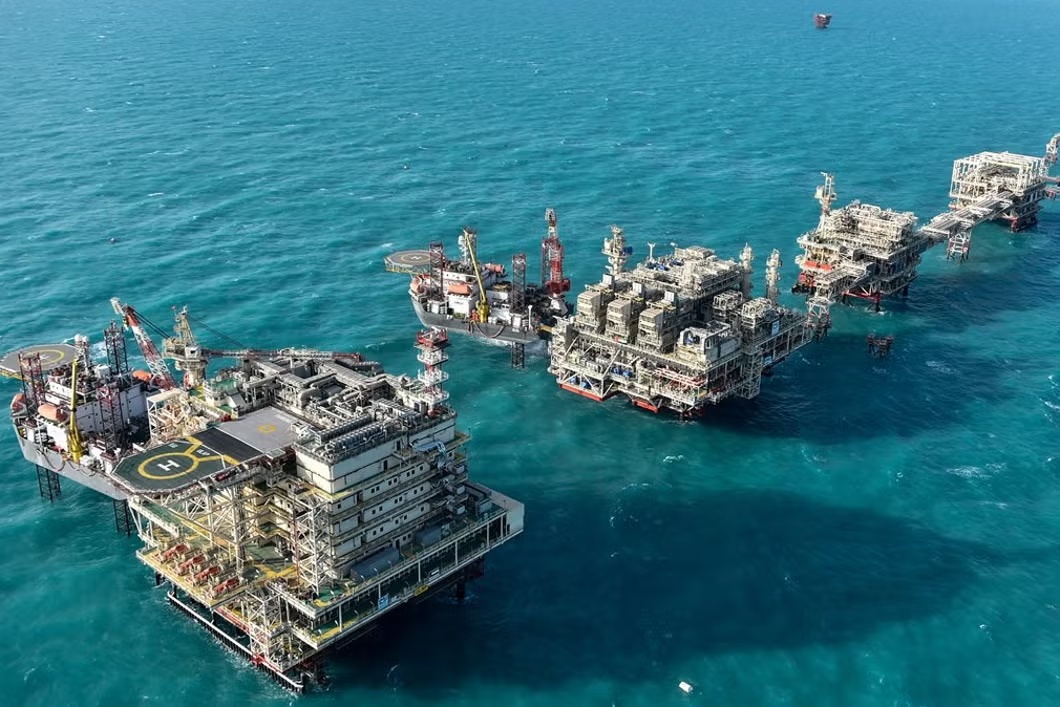
In April 1994, Occidental Petroleum acquired a 90% working interest in the Magawish Block in the Gulf of Suez and assumed operatorship of the concession. The offshore block covered approximately 7,000 acres, or 28.33 km², and its development plan received approval from the Egyptian authorities.
Read the full project history
Occidental planned development drilling for the fourth quarter of 1994, with production targeted for early 1995. The Magawish development entered commercial production in 1995, initially producing approximately 180 barrels of oil per day from the EEMM field.
The wider field was subsequently developed further. In 1997, the EEMM-1A sidetrack well produced approximately 2,500 barrels per day, demonstrating substantially greater production potential. Further exploration and development drilling followed, supported by a phased reservoir-development strategy.
Over the longer life of the Magawish development, cumulative production exceeded 22 million barrels of crude oil by 2015. This later figure reflects production under successive operators and should not be attributed solely to Occidental, but illustrates the long-term significance of the petroleum acreage in which the company was involved during its early development.
11
OFFSHORE OIL & GAS EXPLORATION
South Belayim Offshore Exploration Program
Occidental Petroleum · Mobil Exploration Egypt · Gulf Canada · Sun · Canadian Northwest · Inpex · JNOC · EGPC
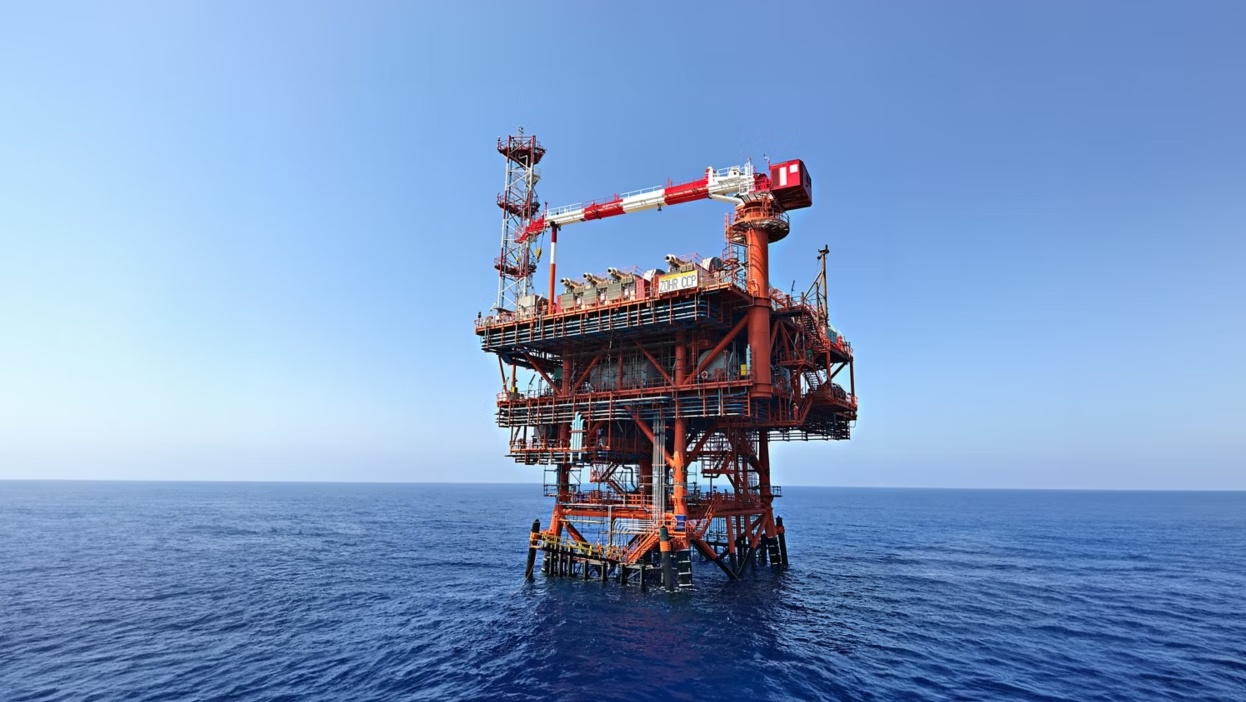
The South Belayim Offshore Exploration Permit covered approximately 343 km² of petroleum acreage in the Gulf of Suez, within one of Egypt’s most established hydrocarbon-producing regions.
Read the full project history
The exploration programme was awarded in 1994 to a Mobil-led international group, with Occidental Petroleum participating among the international interests associated with the Asamera group. The acreage was positioned around the established Belayim producing area and was targeted for further geological, geophysical and exploratory drilling work.
Under the production-sharing arrangements, Mobil committed to a minimum exploration expenditure of approximately US$16 million over seven years, including exploratory drilling and geological and geophysical studies. Mobil planned an initial exploration well during 1994.
The international participation subsequently widened when Inpex and Japan National Oil Corporation (JNOC) farmed into the permit later in 1994.
The project reflected the continued international exploration of the Gulf of Suez during the 1990s, bringing together Egyptian petroleum authorities with North American and Japanese energy companies to evaluate additional reserves around an established producing basin.
12
TRANSPORT & RAILWAYS
Railway Infrastructure & Track Systems Modernisation
Maculan Holding Group · MABA

Hofman & Maculan, part of the Austrian Maculan Holding Group, together with the MABA sleeper manufacturing operation, engaged with Egyptian National Railways in 1991 through a railway engineering and investment programme.
Read the full project history
The programme focused on modernising track infrastructure, maintenance systems and railway manufacturing capabilities. The Egyptian delegation, including Eng. Ahmed Ali Hassan, Vice Chairman of Egyptian National Railways, participated in technical discussions covering track renewal, railway maintenance, sleeper production, turnout systems, rail welding, ballast cleaning and mechanised track works.
A central part of the programme was a visit to the MABA manufacturing plant at Wöllersdorf, Austria. The facility specialised in prestressed concrete sleepers for standard-gauge railway track and turnout systems, using industrial technology designed for large-scale railway applications.
The programme also examined the economics of railway infrastructure investment, including plant and equipment requirements, production costs, installation, operating expenditure, alternative systems and return-on-investment analysis.
Overall, the engagement encompassed concrete sleeper manufacturing, standard-gauge track systems, turnout sleepers, mechanised track renewal, railway maintenance technology, production planning and infrastructure investment assessment.
SPECIAL PORTFOLIO / 1990s
Metcalf & Eddy
in Egypt.
Environmental engineering, wastewater infrastructure, institutional development and utility-management programmes across Alexandria and the Suez Canal Cities.
01

ENVIRONMENTAL ENGINEERING & WATER QUALITY · 1995–1997
Alexandria Environmental & Lake Maryout Studies
Metcalf & Eddy International · EA Engineering, Science & Technology
Metcalf & Eddy International led an extensive environmental and engineering assessment of Lake Maryout, its associated drainage systems and selected areas of Alexandria’s Mediterranean coastline as part of Phase I and II of the Alexandria Wastewater Project.
Project detail
The programme combined field sampling, hydrological analysis and environmental assessment to evaluate the condition of the aquatic environment and the impact of wastewater and drainage discharges. Sampling covered water, sediments, priority pollutants and biological communities, including phytoplankton, zooplankton, benthic organisms and fish.
Technical studies included hydrological investigations in 1996 and the 1997 Chemical and Biological Characterisation of Lake Maryout. The work examined the Kalaa, Omoum and West Noubaria drainage systems alongside industrial, agricultural and municipal wastewater pressures.
Contemporary assessments identified approximately 194 industrial establishments around the lake contributing waste directly or indirectly, while approximately 7 million cubic metres of water per day were discharged from the Lake Maryout system toward the Mediterranean.
The studies established an environmental baseline for Alexandria’s wider wastewater modernisation programme, linking sanitation investment with protection of Lake Maryout, the city’s drainage system and the Mediterranean coast.
02
UTILITY MANAGEMENT & INSTITUTIONAL DEVELOPMENT · 1990s
Water & Wastewater Institutional Development and Policy Reform
Metcalf & Eddy · K&M Engineering & Consulting Corporation
Alongside its engineering programmes, Metcalf & Eddy supported the modernisation of Egypt’s water and wastewater sector through a USAID-backed programme combining technical assistance, management support and policy reform.
Project detail
Rather than focusing solely on new physical infrastructure, the programme addressed the systems required to operate and expand water and wastewater services effectively over the long term. Activities included procurement and logistics support, expansion planning and design, operational assistance and institutional strengthening in Alexandria and the Canal Cities.
K&M Engineering & Consulting Corporation worked under subcontract to Metcalf & Eddy on later assignments, providing procurement and logistics support together with expansion-design services.
The wider programme emphasised technology transfer and professional development through on-the-job training, formal technical courses and modern engineering systems. By 1998, K&M reported that more than 50 Egyptian personnel had completed sponsored training under its direction across its USAID-supported Egyptian programmes.
The work complemented Metcalf & Eddy’s physical infrastructure projects by strengthening the technical, managerial and institutional capabilities required to sustain expanding water and wastewater systems.
03

WATER & WASTEWATER INFRASTRUCTURE · 1991–1996
Canal Cities Water & Wastewater Modernisation Program
Metcalf & Eddy · K&M Engineering
In 1991, Metcalf & Eddy was awarded a five-year USAID contract valued at more than US$10 million to provide management support as Egypt modernised water and wastewater treatment facilities across Port Said, Ismailia and Suez.
Project detail
The programme formed part of a long-term effort to expand and improve essential municipal water and sanitation infrastructure while strengthening the institutions responsible for operating those systems.
Metcalf & Eddy’s role extended beyond physical infrastructure to programme management, technical assistance and institutional development. Later assignments included procurement and logistics support and expansion design, with K&M Engineering & Consulting Corporation working under subcontract.
The work built on earlier master-planning for the three Canal Cities and supported the transition from strategic planning to the development, expansion and improved management of modern utility infrastructure.
By combining engineering support with institutional capacity building, the programme strengthened both the physical systems and the organisations responsible for delivering water and wastewater services to the region.
04
WATER, WASTEWATER & ENVIRONMENTAL INFRASTRUCTURE · 1990s
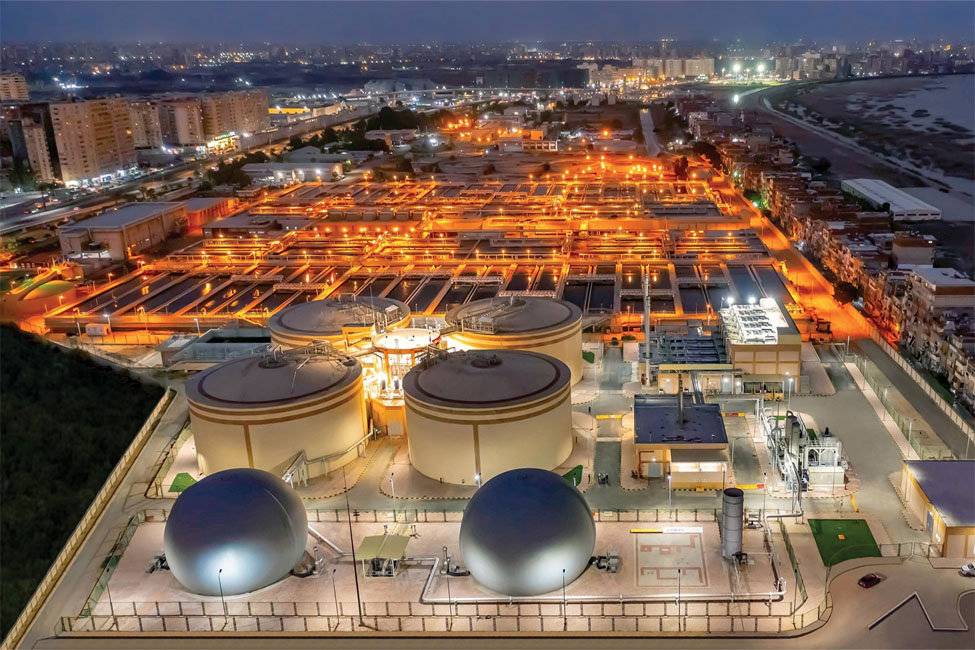
Alexandria Wastewater Program
Metcalf & Eddy International · CH2M HILL
Metcalf & Eddy formed part of the international engineering team responsible for the comprehensive modernisation of Alexandria’s wastewater system. Engineering Consultants Group records the wider programme at approximately US$5 billion, reflecting the scale and duration of the city-wide works.
Project detail
During the 1990s, Metcalf & Eddy worked in joint venture with CH2M HILL and ECG on planning, design and construction supervision for collection, conveyance, pumping, treatment and sludge-management infrastructure. The programme included updating the Alexandria Wastewater Master Plan to 2000, investigations across approximately 750 km², and a feasibility study for reusing treated wastewater to develop around 70,000 acres of agricultural land.
Phase I delivered force mains and collectors at Abu Qir, Sidi Bishr, Smouha and the East Zone, extensive sewer networks, and crossings beneath highways, railways and canals. Approximately 21 km of 1,200 mm-diameter tunnel infrastructure was constructed through the El Siouf El Keblia and West Zone systems.
Four major pumping stations were constructed: East Zone, approximately 21 metres deep with a maximum lifting capacity of 600,000 m³/day; Smouha, 340,000 m³/day; Sidi Bishr, 165,000 m³/day; and Maamoura, 100,000 m³/day. The West Treatment Plant also gained an influent pumping station with approximately 955,500 m³/day capacity.
Phase I brought the East Treatment Plant to approximately 410,000 m³/day and the West Treatment Plant to approximately 186,000 m³/day. Phase II expanded the East Plant to 607,000 m³/day and the West Plant to 460,000 m³/day, while six major pumping stations were expanded or improved.
Phase II also expanded sludge dewatering and disposal, added odour-control measures, and developed a training and service centre, workshops, garages, storage and ancillary facilities.
Metcalf & Eddy’s responsibilities extended to construction management, contractor prequalification, tender and cost review, quality-control oversight, commissioning, operations and maintenance support, procurement assistance and technical training for AGOSD personnel.
Together, the phases formed one of Alexandria’s most extensive wastewater infrastructure programmes, combining large-scale civil engineering with long-term master planning, environmental management, institutional development and operational support.
PORTFOLIO / TODAY
How the Portfolio
Has Evolved.
The historical cases above show the market-entry, local-representation and business-development foundation of ITD. Today, that same local operating role extends into two additional areas that should also appear on the portfolio page, but visually separated from the legacy infrastructure case studies.

MODERN OPERATING CAPABILITY
BPO, EOR & Dedicated Teams
International companies can build teams in Egypt through Employer of Record arrangements, dedicated professionals and managed BPO structures. This is a modern extension of ITD’s local operating role: helping an international company establish people and capability in Egypt without requiring every function to be built internally from day one.
Explore the service
REGULATORY & REPRESENTATION CAPABILITY
EDA & Medical Representation
For medical-device and IVD manufacturers, ITD supports local regulatory representation, documentation coordination and liaison with the Egyptian Drug Authority and related stakeholders. The manufacturer retains its technical product expertise; ITD provides the structured Egyptian regulatory and local-representation interface.
Explore the serviceINTERNATIONAL PARTNERS
Global Capability.
Local Collaboration.
International organisations represented in the project histories above. Egyptian ministries, authorities and public-sector clients are intentionally excluded from this partner display.



Historical project relationships are presented for context and do not imply that every organisation shown is a current client.
LOCAL ACCESS. GLOBAL STANDARDS. STRATEGIC EXECUTION.